



The privately owned Museum of Alonnisos, founded by Kostas and Angela Mavrikis, is located above the beach in Patitiri. Visitors can embark on a fascinating journey through the history of Alonnisos and its relationship to seafaring, military and piracy. The museum is open from 11 A.M. to 8 P.M.
The traditional Alonissos house located at the entrance to the Kastro in the old village, provides visitors the opportunity to immerse themselves in the past way of village life. It is furnished with traditional furniture as well as household items, offering an insight into the way of life of the residents of Alonnisos in times gone by.
The War Memorial situated just around the corner from the traditional house in Kastro in the old village of Alonnisos, is a monument commemorating the tragic events of World War II in which islander lost their lives. This memorial is an important site that honors the sacrifices and memory of those who lost their lives during this dark period in the island's history.
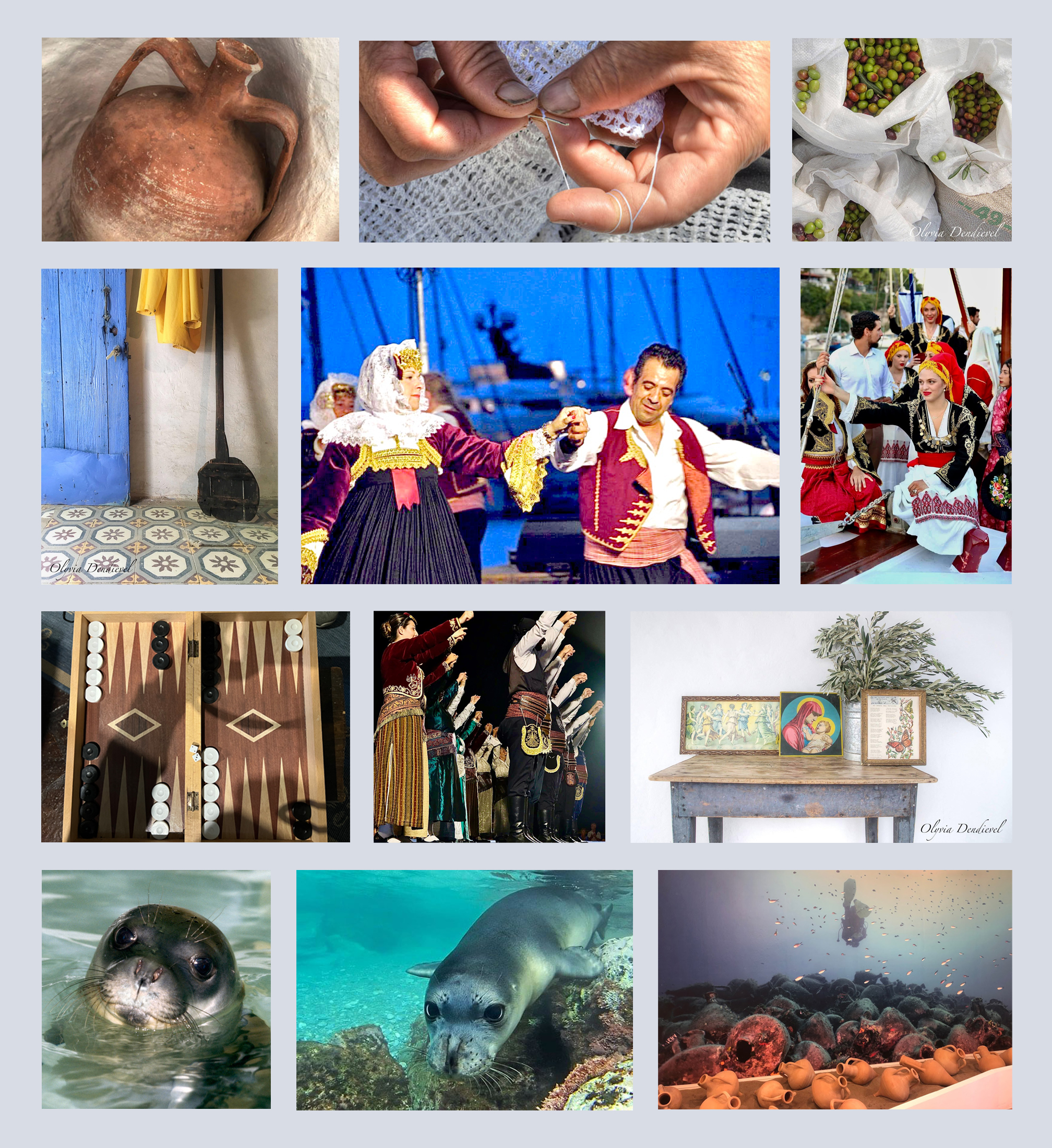
MOm's Information Center in Patitiri offers visitors the opportunity to gain deeper insight into the work and importance of the Marine National Park, enriching the experience of anyone interested in conservation and beauty of the Greek marine world. The exhibition provides information about the ecology of the sea, the local wild life, and the efforts to protect the Mediterranean monk seal (Monachus Monachus). They became a mascot of Alonissos in recent years.
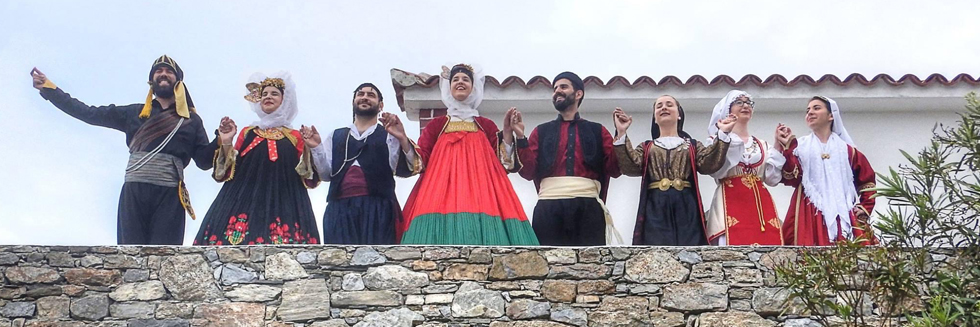
On August 15th, the island celebrates the feast of the Assumption of Mary, one of the most significant religious festivals in Greece. In the old village of Alonissos there is a unique tradition where a "Panigiri" and the celebration of a traditional wedding takes place as part of the Assumption of Mary festivities. The wedding rituals begin with the best man at the groom's house. Accompanied by traditional live music, everyone then proceeds to the bride's house and family and friends join the wedding procession. The traditional dish of goat and pasta, "Katsiki me hilopites," is served, along with wine and, finally, there is dancing!
Underwater Museum and Knowledge Awareness Centre
In 2020, Greece inaugurated its first underwater museum off the coast of Alonissos, also known as the "Parthenon of Shipwrecks."
This large ship from around 425 BC was carrying thousands of wine amphorae from Peparithos (now Skopelos) and Mendi (Chalkidiki) when it likely encountered a storm and sank.
The thousands of intact amphorae covering the seabed around the wreck provide an remarkable glimpse into the size and shape of the ancient merchant ship. It was discovered by a fisherman from Alonissos in 1985 at a depth of 28 meters. (See also the books section). Visitors have the opportunity to explore the underwater museum during the diving season, which runs until early october. Licensed guides from the diving centers in Alonissos accompany divers to this remarkable historical site. Divers must book their dive at least a week in advance.
For those who cannot or do not wish to dive, there is an opportunity to experience the wreck virtually. The Knowledge Awareness Center in the Old Village has created an exhibition about the ancient wreck, allowing a virtual dive into the region. Opening hours in season 7 P.M. to 10 P.M.